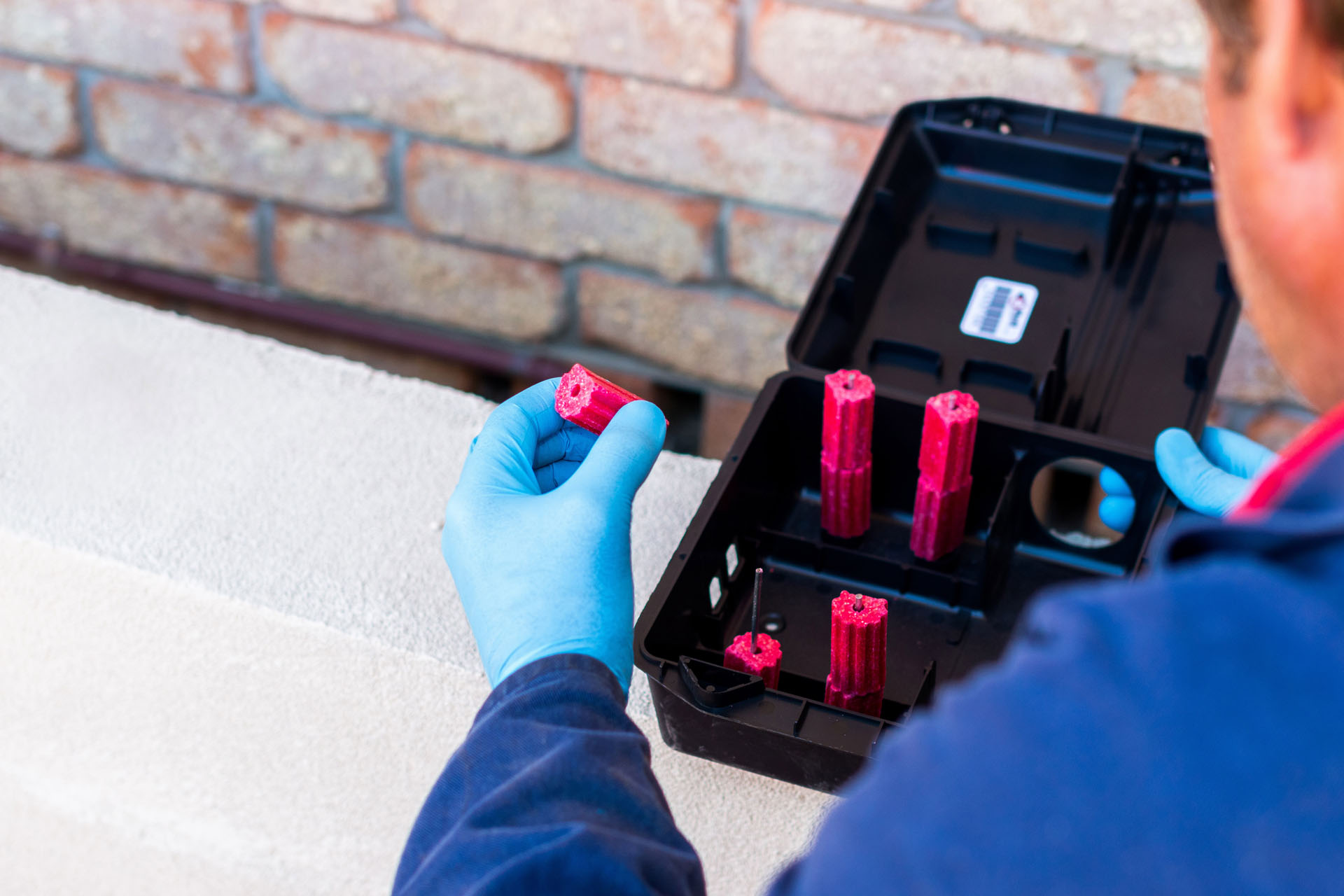
We are experts at rodent control in Port Macquarie and throughout the Mid-North Coast. If you suspect you have a rodent problem, contact us without delay. Rodents are persistent pests that breed rapidly in spring and frequently seek refuge in roof spaces during the winter. Nibbling through electrical cables can cause significant damage, increasing the chance of fire damage. Indeed, without rodent control, rats and mice can cause several health problems for you and your family. Rats and mice harbour external parasites such as fleas and ticks, which can directly cause various illnesses. In addition, they contaminate food sources with bacteria and pathogens. In addition, rodents will contaminate your indoor environment with urine and droppings. Studies have demonstrated that these droppings are a severe allergen for asthmatic youngsters. So, if you’re searching for the best rodent control in Port Macquarie, look no further and contact Complete Pest Control now.
A number of rodent species in Australia are agricultural pests. At the Time of European settlement, two species, the house mouse and the black rat were introduced. Mice are prevalent in agricultural croplands, especially around outbuildings and farms. When conditions are favourable, their population can reach plague proportions. Unfortunately, black rats are common in human-altered settings throughout temperate and tropical Australia.
For rodent control in Port Macquarie, we use:
Baits – include brodifacoum and bromadiolone. While black rats prefer moist foods (which we use as bait), sewer rats prefer dry items (we use cereal baits)
Traps – such as snap boards and sticky traps, should be used as an alternative to baits or for safety concerns. Place them just beyond the skirting boards with the bait facing inwards. For example, we spread cocoa on fresh bread. Also, cotton thread is used to secure the bread to the metal plate. Pulling will trigger the trap.
Gassing – means using fumigants in outdoor burrows, boats, and grain silos.
Proofing – refers to the physical blockage of entrance points with materials like chicken wire, metal sheeting, steel wool, or door seals.
Contact Dusts and Gels – such as Bromatrol dust or Fentrol gel – may be utilised once the location of the activity is determined. Rodent activity can be found by using talc as a tracking dust.
Prevention – the most effective means of preventing rodent infestations are basic cleanliness and limited availability of food and water.
Note that mint, camphor, and pine tar smells repel rats. Also, in the early stages of rodent reproduction, cats and dogs (particularly terriers) help hunt small numbers of rodents.